More about Registering a Death
When someone dies, a doctor issues a medical certificate which states the cause of death. The death then needs to be recorded formally on the register for births, deaths and marriages. A death must be registered within five days after the date of the death.

Who can register the death?
If the death was in a hospital or a private home (including a nursing or residential home), the following people can register the death:
A relative Someone who was present at the death but who is not a relative Someone representing the "occupier" of the building where the death occurred (for example, the warden of a block of sheltered flats, the manager of a residential home) An official from the hospital Anyone who has taken responsibility for arranging the funeral.
If the death was not in a public building or a private home, the following people can register it:
A relative Anyone present at the death Anyone who has taken responsibility for arranging the funeral.
A relative should, if possible, register the death but the registrar allows non-relatives if no relative is available.
Who can register the death?
If the death was in a hospital or a private home (including a nursing or residential home), the following people can register the death:
A relative Someone who was present at the death but who is not a relative Someone representing the "occupier" of the building where the death occurred (for example, the warden of a block of sheltered flats, the manager of a residential home) An official from the hospital Anyone who has taken responsibility for arranging the funeral.
If the death was not in a public building or a private home, the following people can register it:
A relative Anyone present at the death Anyone who has taken responsibility for arranging the funeral.
A relative should, if possible, register the death but the registrar allows non-relatives if no relative is available.

Where to register a death?
The death must be registered at the register office for births, deaths, marriages, and civil partnerships for the district where the person died. If you do not know where this is, contact the local authority or visit its website or GOV.UK. It is best to make appointments online.
Where to register a death?
The death must be registered at the register office for births, deaths, marriages, and civil partnerships for the district where the person died. If you do not know where this is, contact the local authority or visit its website or GOV.UK. It is best to make appointments online.
What to take to the register office?
Whoever registers the death should take to the register office:
The medical certificate from the doctor.
And the following information:
date of death place of death full name of the person who has died any former names occupation last address name, date of birth and occupation of the person's spouse or civil partner (whether living or dead) information about any state benefits the person was receiving.

Where to find the information you need to register the death?
If you do not know all the details about the person who has died that you need for the registrar, you should be able to find them in his or her birth certificate, marriage or civil partnership certificate and state pension or allowance book.
Where to find the information you need to register the death?
If you do not know all the details about the person who has died that you need for the registrar, you should be able to find them in his or her birth certificate, marriage or civil partnership certificate and state pension or allowance book.
What the Registrar will give you
Death certificate register
The registrar issues an official copy of the register, called a certified copy death certificate, after the person registering the death signs the register.
You can obtain any number of certified copy death certificates however you do have to pay for them; the price varies from one local authority to another. You can claim back the cost from the estate in due course.
You will need several copy certificates to send out when giving notice of the death to banks, insurance companies and so on.
You can estimate how many to buy if you know roughly what the person who has died owned. For example, if the person had three bank accounts with three different banks and two shareholdings with different companies, it is best to have five copy certificates, one for each separate institution. You will also need a copy for the person's pension provider.
It is sensible to get one or two spare copies while you are at the register office since it is less convenient to order additional copies later.
Certificate for burial or cremation
The registrar also issues a certificate for burial or cremation. Give this to the funeral director who is making the funeral arrangements.
Social security death benefits
The registrar will give you a form (form BD8) to complete. This is used to tell the DWP Bereavement Service of the death so that it can deal with the pensions and benefits arrangements of the person who has died.
You can complete this form yourself or ask either the personal representatives or their solicitors to complete it and send it to the DWP.
Alternatively, you can call the DWP Bereavement Support Service.
If your local council offers the DWP's Tell us Once service, you can use that to deal with the deceased's pension and benefits.

Tell us Once service
The local council offers the DWP's Tell us Once service which is a way of letting several government departments know that someone has died by just making one contact.
If this is available in your area, the registrar will either use the service for you or give you a unique service reference number so that you can use the service over the telephone or online.
The service can be used to contact the government departments that deal with the deceased person's benefits, state pension, tax, passport and driving licence.
Tell us Once service
The local council offers the DWP's Tell us Once service which is a way of letting several government departments know that someone has died by just making one contact.
If this is available in your area, the registrar will either use the service for you or give you a unique service reference number so that you can use the service over the telephone or online.
The service can be used to contact the government departments that deal with the deceased person's benefits, state pension, tax, passport and driving licence.
What if the death is reported to the coroner?
If the death is reported to the coroner and the coroner is satisfied that the death is natural, then the coroner notifies the registrar, and the death is registered in the usual way.
However, if the coroner decides that an inquest is necessary, the registrar cannot issue a death certificate or a certificate for cremation. For more information on deaths reported to a coroner click here.
What if the death is reported to the coroner?
If the death is reported to the coroner and the coroner is satisfied that the death is natural, then the coroner notifies the registrar, and the death is registered in the usual way.
However, if the coroner decides that an inquest is necessary, the registrar cannot issue a death certificate or a certificate for cremation. For more information on deaths reported to a coroner click here.
Recognition for our work



Recognition for our work
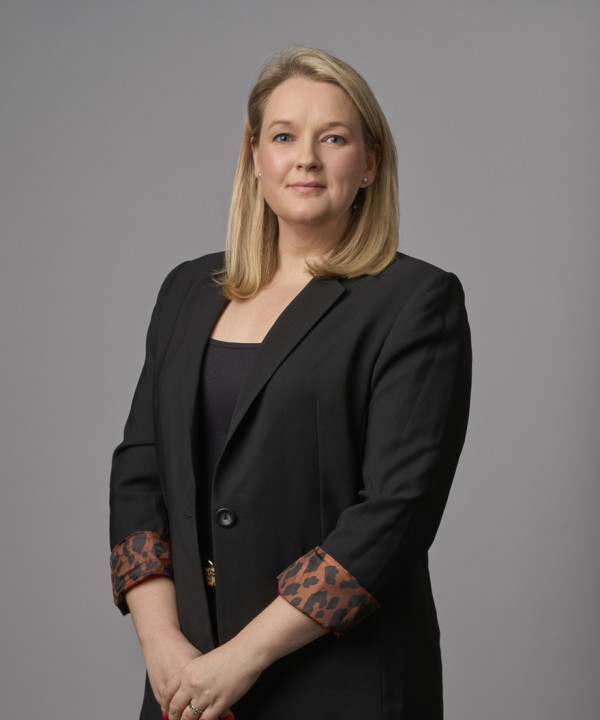
Our dedicated Wills, Probate, Tax & Trusts team

Partner and Head of Wills, Probate, Tax and Trusts, Wills, Probate, Tax & Trusts
Jane Burbidge


Useful Information

Insights 5 min read
Wills and Weddings: Why estate planning should be part of your wedding checklist

Insights 2 min read
Family Business Issues: Changes to Inheritance Tax Business Property Relief





Contact Us
No obligation, no pressure. We will only use your information to return your call and you won’t receive marketing emails. A member of our team will get back to you shortly.
0800 975 2463 - Monday - Friday: 09:00 - 17:00


